
Level 1, 1033 High Street, Armadale, VIC 3143
Ph: 03 9824 4685
Established in 1999
Previously located in Malvern (Glenferrie Road)

CONTACT US
LATEST NEWS
PRODUCTS
SERVICES
ALKALINE/COFFEE/OZONE
COLONIC IRRIGATION
ABOUT US
Good gut health doesn't have to be complicated. Sometimes, the simplest changes to your daily routine can make the biggest difference to how comfortable and regular your digestion feels.
Think about your average day. Do you drink enough water? Are you getting plenty of fibre? Do you spend most of your working hours sitting down? And when nature calls, do you take a bathroom break or put it off until later?
These everyday habits can all influence your digestive health.
For people looking to improve their gut health in Melbourne, understanding the basics is a great place to start. Whether you're experiencing occasional bloating, struggling with constipation or simply wanting to take better care of your digestive system, a few consistent habits can go a long way.
Let's explore four important foundations of good gut health: hydration, dietary fibre, physical movement and healthy bowel habits.
Why Is Gut Health So Important?
Your digestive system does much more than process your meals.
It breaks down food, absorbs essential nutrients, manages waste and supports several important functions throughout your body. Your gut is also home to trillions of microorganisms, collectively known as the gut microbiome.
These microorganisms play a role in digestion, immune function and overall health.
When your digestive system is functioning comfortably, you might barely give it a second thought. But when something changes, the effects can be difficult to ignore.
Common digestive complaints include:
- Bloating and excessive gas
- Constipation or hard stools
- Irregular bowel movements
- Abdominal discomfort
- A feeling of incomplete bowel emptying
- Changes in normal bowel habits
These symptoms don't automatically mean your gut microbiome is unhealthy. Diet, medications, stress, medical conditions and changes in routine can all contribute.
The good news is that many everyday digestive habits are within your control.
1. Hydration: Give Your Digestive System the Water It Needs
Water is one of the most overlooked parts of maintaining healthy digestion.
Your body needs adequate fluid to help food move through the digestive tract and maintain normal stool consistency.
When you don't drink enough, your body may absorb more water from the contents of your large intestine. This can leave stools harder, drier and more difficult to pass.
If you've ever experienced constipation after a long flight, a busy week or a particularly hot day, inadequate hydration may have played a part.
How Much Water Should You Drink?
A useful starting point for many adults is around six to eight glasses of water daily, although individual fluid requirements vary.
You may need more fluids if you're exercising, spending time outdoors in Melbourne's summer heat or sweating more than usual.
Your age, health conditions, medications and activity levels also affect your requirements. Anyone following a medically prescribed fluid restriction should follow their healthcare professional's advice.
Rather than trying to drink a large amount at once, spread your fluid intake throughout the day.
Simple Ways to Stay Hydrated
Try building these small habits into your routine:
- Start your morning with a glass of water.
- Keep a reusable water bottle at your desk.
- Drink water regularly between meals.
- Add lemon, cucumber or mint if you prefer some flavour.
- Have extra water available when exercising or spending time outdoors.
- Include water-rich foods such as watermelon, oranges and cucumber.
Remember, drinking excessive amounts of water won't necessarily fix constipation. Hydration works best alongside sufficient dietary fibre, regular movement and appropriate medical care when needed.
2. Dietary Fibre: One of Your Gut's Best Friends
If there's one dietary change that deserves more attention, it's eating enough fibre.
Dietary fibre is the part of plant foods that your body doesn't fully digest. Instead, it travels through your digestive system, helping support bowel function in several ways.
Some types of fibre help stools retain water, while others add bulk. Certain fibres are also fermented by beneficial gut bacteria, producing compounds that contribute to intestinal health.
Understanding Soluble and Insoluble Fibre
There are two broad categories of dietary fibre.
Soluble fibre absorbs water and can form a gel-like substance in the digestive tract. It may help soften stools and support regular bowel movements.
Good sources include:
- Oats and barley
- Apples and citrus fruits
- Beans and lentils
- Psyllium husk
- Chia seeds
Insoluble fibre adds bulk to stools and helps support their movement through the bowel.
Good sources include:
- Wholegrain breads and cereals
- Brown rice
- Vegetable skins
- Nuts and seeds
- Many leafy vegetables
Most plant foods contain a combination of both types.
How Much Fibre Do You Need?
Australian dietary guidance recommends approximately 25 grams of fibre daily for adult women and 30 grams for adult men.
However, many people fall short of these amounts.
You don't need to completely change your diet overnight. In fact, increasing fibre too quickly can lead to additional gas, bloating and discomfort.
A gradual approach is usually more comfortable.
Try swapping white bread for wholegrain bread, adding vegetables to lunch, including fruit as a snack or enjoying lentils in a soup or curry.
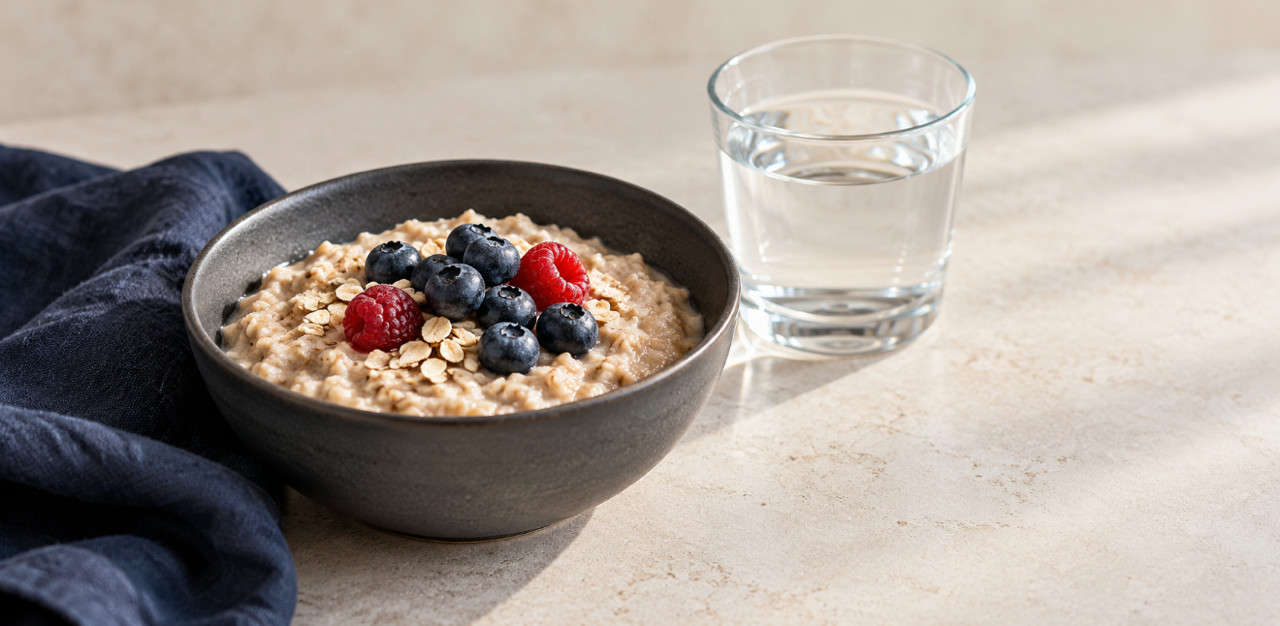
A bowl of porridge with berries in the morning is another easy way to increase your fibre intake.
One important tip: Increase your water intake appropriately as you add more fibre. Fibre and fluids work together to support healthy stool consistency.
If you have persistent bloating, irritable bowel syndrome or another digestive condition, some high-fibre foods may aggravate symptoms. A GP or accredited practising dietitian can help you choose suitable options.
3. Movement: Why Your Gut Benefits When You Get Active
You probably know that exercise is good for your heart, muscles and mental wellbeing.
But did you know that regular movement can also support healthy bowel function?
Physical activity helps stimulate normal intestinal movement, which assists waste in travelling through the digestive tract.
Long periods of sitting and limited physical activity can contribute to sluggish bowel habits, particularly when combined with inadequate fibre or fluids.
Fortunately, you don't need an intense gym routine to make a difference.
Small Movements Count
If you're working at a desk all day, try taking a short walk during your lunch break.
If you commute around Melbourne, consider getting off public transport a stop earlier and walking the remaining distance.
Other simple options include:
- Walking for 20–30 minutes most days
- Taking the stairs when practical
- Stretching between periods of sitting
- Cycling or swimming
- Enjoying gentle yoga
- Taking a relaxed walk after a meal
Australian bowel health guidance commonly recommends around 30 minutes of physical activity on most days.
The key is consistency rather than intensity.
Even short periods of movement can help you build a healthier routine, especially if you've previously been relatively inactive.
Choose activities that suit your fitness level and any existing health conditions.
4. Healthy Bowel Habits: Listen to Your Body
Here's something many people don't talk about enough: how you use the toilet matters.
It's easy to develop unhelpful bathroom habits without realising it.
Perhaps you're rushing to get ready for work, holding off because you're in a meeting or spending too long sitting on the toilet scrolling through your phone.
Over time, these habits can interfere with comfortable bowel movements.
Don't Ignore the Urge to Go
When you feel the need to open your bowels, try to respond rather than repeatedly delaying it.
Regularly ignoring the urge can allow stools to remain in the colon longer, where more water may be absorbed.
This can make stools harder to pass.
Of course, you won't always have immediate access to a bathroom. The goal is simply to avoid making unnecessary delays a habit.
Try a Better Toilet Position
Your sitting position can influence how easily you pass a bowel movement.
For many people, a small footstool can help.
Try the following:
Don't force a bowel movement if nothing happens.
Prolonged straining may contribute to problems such as haemorrhoids and anal discomfort.
Build a Comfortable Routine
Your digestive system often responds to regular patterns.
Eating meals at consistent times and allowing yourself an unhurried bathroom opportunity can help establish a routine.
Many people find that their bowels are naturally more active after breakfast.
You don't need to force yourself to go at exactly the same time every day. Instead, pay attention to your body's signals.
And remember, a healthy bowel movement doesn't necessarily mean going every morning.
Some people go more than once a day, while others go every couple of days. What's important is your usual pattern, stool consistency and whether passing stools feels comfortable.
5. What About Stress and Gut Health?
There's another factor worth considering: stress.
Your brain and digestive system communicate through what's known as the gut–brain axis.
This connection helps explain why stressful situations can sometimes leave you with a nervous stomach, bloating, diarrhoea or changes in bowel habits.
For some people, stress can slow digestive activity. For others, it may increase bowel urgency.
Although stress isn't responsible for every digestive complaint, managing it can be a useful part of a broader gut health routine.
Consider making time for activities that help you unwind, whether that's walking, reading, practising breathing exercises or spending time outdoors.
Getting sufficient sleep and maintaining regular meal times may also support your overall wellbeing.
You don't need a perfect lifestyle. Small, sustainable improvements are far more valuable than an unrealistic routine that lasts only a few days.
6. When Should You Seek Medical Advice About Digestive Symptoms?
Occasional bloating or constipation is common, particularly after travelling, changing your diet or disrupting your usual routine.
However, ongoing digestive symptoms shouldn't simply be dismissed as poor gut health.
Book an appointment with your GP if you experience:
- Constipation that persists or keeps returning
- Frequent or unexplained diarrhoea
- Ongoing abdominal discomfort
- A noticeable change in your usual bowel habits
- Persistent bloating that doesn't improve
- Repeated difficulty emptying your bowels
Seek prompt medical attention for blood in your stool, unexplained weight loss or significant worsening symptoms. Severe abdominal pain, persistent vomiting or a swollen abdomen with an inability to pass stool or gas can require emergency assessment.
Your doctor may recommend further investigation depending on your symptoms, age, medical history and family history.
It's also important to keep up with bowel cancer screening when eligible.
Never assume that persistent digestive symptoms can be resolved through dietary changes or complementary treatments alone.
Getting the right diagnosis is an important part of looking after your gut.
7. Exploring Gut Health Support in Melbourne
If you're interested in digestive wellbeing, it helps to understand the different types of support available.
For many people, the starting point is improving hydration, eating a balanced fibre-rich diet, moving regularly and developing comfortable bowel habits.
A GP or accredited practising dietitian can provide additional guidance when symptoms persist or dietary changes aren't helping.
Some people also explore complementary wellness services.
Established in 1999 on Glenferrie Road, Malvern, Colon Irrigation Melbourne has operated from its current Armadale location since 2018. Our services include colonic irrigation.”
Colonic irrigation, also called colon hydrotherapy, involves introducing water into the large intestine as part of a bowel-cleansing procedure.
It's important to understand that colon hydrotherapy isn't necessary for routine digestive health, and there is insufficient reliable evidence that it improves the gut microbiome, removes toxins or treats digestive disorders. The procedure also carries potential risks, including dehydration, infection, electrolyte disturbances and bowel injury.
It should not replace evidence-based constipation management, medical assessment or recommended bowel screening.
If you're considering a complementary service, discuss your medical history and suitability with your healthcare professional first.
You can also explore our clinic's services and information or review our prices and packages to understand the services available.
8. Your Simple Daily Gut Health Checklist
Looking after your digestion doesn't require an expensive supplement routine or a complicated meal plan.
Start with the basics.
Morning
- Drink some water after waking.
- Enjoy a breakfast containing fibre.
- Allow time to use the bathroom if you feel the urge.
During the day
- Keep water nearby and drink regularly.
- Include vegetables, fruit and wholegrains in your meals.
- Take movement breaks if you sit for long periods.
- Avoid unnecessarily delaying bowel movements.
Evening
- Enjoy a balanced dinner.
- Take a gentle walk if it suits your routine.
- Make time to relax.
- Aim for consistent, sufficient sleep.
These aren't strict rules. They're practical habits you can adapt to your own lifestyle.
The aim is to make digestive wellbeing part of your everyday routine rather than something you only think about when you're uncomfortable.
Final Thoughts: Better Gut Health Starts With Everyday Habits
When it comes to improving gut health in Melbourne, there's no need to overcomplicate things.
Drinking enough water, eating a variety of fibre-rich foods, staying physically active and responding to your body's natural bowel signals are simple ways to support healthy digestion.
You may not notice a dramatic difference overnight, and that's perfectly normal.
Healthy habits work best when they become part of your routine.
If you're experiencing ongoing constipation, bloating or changes in bowel habits, speak with a qualified healthcare professional rather than relying on self-treatment.
For those wanting to learn more about the complementary wellness services available at our Armadale clinic, visit Colon Irrigation Melbourne or call 03 9824 4685.
Location: Level 1, 1033 High Street, Armadale VIC 3143.
Taking care of your gut begins with understanding what your body needs — and giving it consistent support, one healthy habit at a time.
Disclaimer: This article provides general health information and is not a substitute for personalised medical advice, diagnosis or treatment.
Gut Health Basics: Hydration, Fibre, Movement and Healthy Bowel Habits
This post originally apperared on Icleanse.co.uk

LOCATED ON LEVEL 1, 1033 HIGH ST. ARMADALE, VIC 3143
Colon Irrigation Melbourne has been attending to Clients’ Colon Health since 1999. Clients have been frequenting our clinic for Colonic Hydrotherapy from areas all over Melbourne and beyond. We are known as one of Melbourne’s leading, modern and most established Clinic for Colonics.
© 2022 Colon Irrigation Melbourne. All rights reserved. | Sitemap
Site Created in Pixel Together and marketed by Page Potato - Marketing Agency.
Colon Irrigation Melbourne, Victoria is located near Hawthorn, Doncaster, Kew, Bentleigh, Brighton, Richmond, Brunswick, Camberwell, Caulfield, Elsternwick, Elwood, Hampton, Malvern, Middle Park, Armadale, Port Melbourne, Prahran, Sandringham, Southbank, South Melbourne, South Yarra, St Kilda, Geelong, Toorak, Glen Iris, Torquay, Werribee and Windsor.
CALL NOW 03 9824 4685
Disclaimer
Colonic irrigation is a complementary wellness practice. Results vary between individuals, and this information is not a substitute for professional medical advice. Please consult your healthcare provider if you have any medical conditions or concerns.